Iran Didn’t Just Strike Back. It Attacked the Sustainment Network.
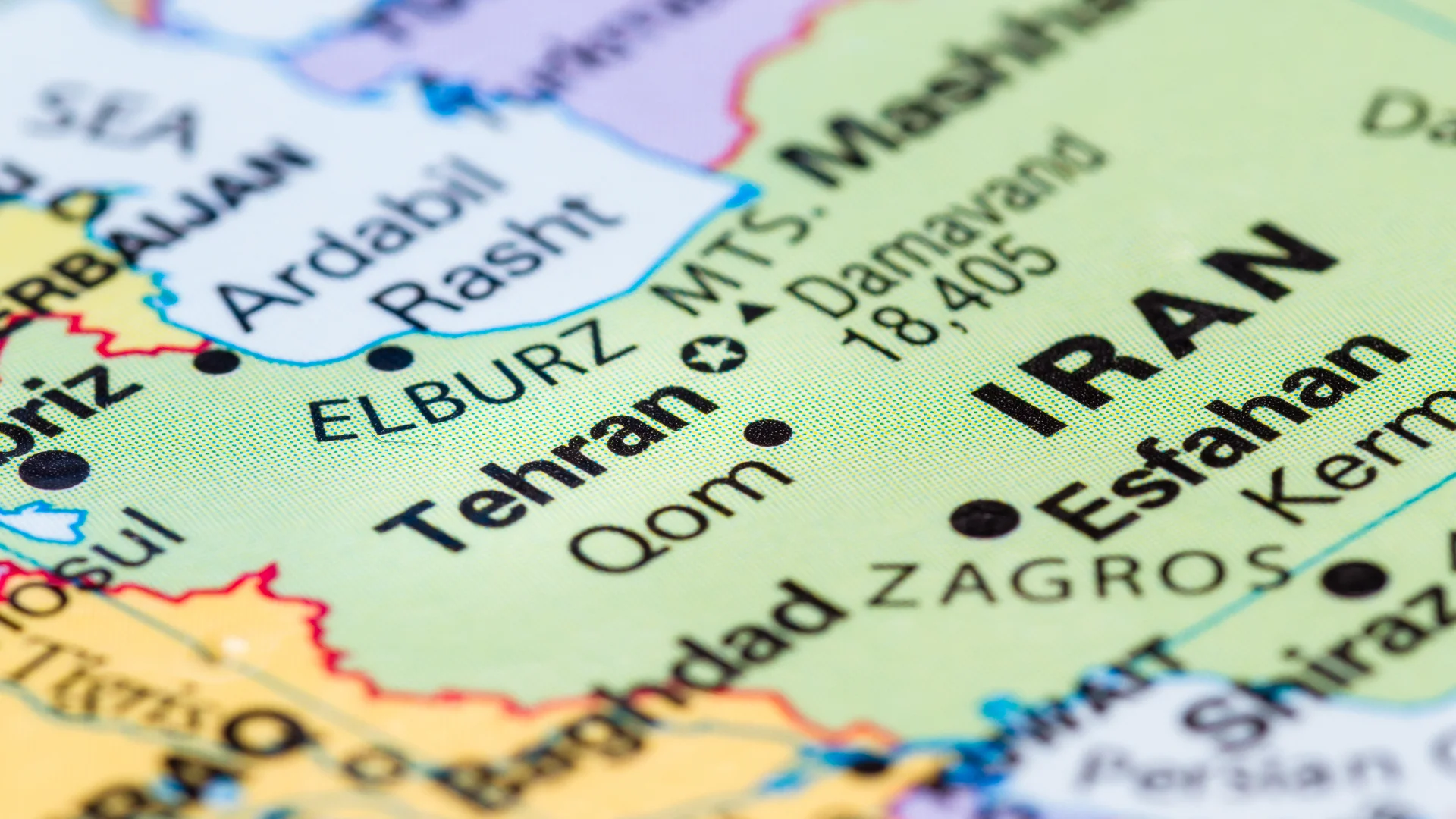
On Saturday, the U.S. and Israel launched massive strikes against Iran killing Ayatollah Khamenei and targeting nuclear sites and IRGC infrastructure. Within hours, Iran responded. But not the way most people expected. Iran's first move wasn't revenge. It was logistics denial a coordinated campaign against the entire partner nation sustainment network that keeps U.S. forces operating in the Middle East.
They struck the U.S. Navy 5th Fleet headquarters in Bahrain, where warships dock, refuel, rearm, and repair. Mina Salman port caught fire. They struck Ali Al Salem Air Base in Kuwait, the primary airlift hub for combat power into theater. Al Udeid in Qatar. Al Dhafra in the UAE. Camp Arifjan. International airports in Dubai, Kuwait, and Abu Dhabi.
Then they closed the Strait of Hormuz. Tanker traffic dropped 70%. Maersk and Hapag-Lloyd suspended all transits.
Every target serves one purpose: sever the logistics network that keeps American forces in the fight.
With Bahrain's port burning, 5th Fleet ships have nowhere to dock. The nearest alternative is Diego Garcia three days each way for maintenance that used to happen dockside.
Here's what makes this worse.
Partner nations are burning through their missile defense inventory at an unsustainable rate. Kuwait, Bahrain, Qatar, the UAE, they've been intercepting Iranian barrages for three straight days. These nations don't manufacture their own Patriot interceptors. They don't produce their own air defense munitions. Every missile they fire comes from American production lines thousands of miles away through supply chains that are now under threat.
When the interceptors run out, partner nations can't protect their own cities. And nations that can't protect themselves don't stay in the fight.
This is the deeper sustainment failure. The U.S. didn't just fail to pre-position enough weapons forward. It never gave partner nations the manufacturing capability to sustain their own defense. That's not a hosting agreement. That's a dependency and Iran is exploiting it.
And Yemen hasn't even entered the fight. Before this war, Houthi forces denied Red Sea navigation for two years and shot down roughly two dozen American MQ-9 Reapers. If Yemen commits, both maritime approaches Hormuz and the Red Sea are contested simultaneously.
The U.S. is fighting a destruction war. Iran is a sustainment war.
The question nobody is asking: How do you sustain a campaign when the ports are burning, airfields are damaged, the strait is closed, partner nations are running out of interceptors.
The sustainment network is the center of gravity. Iran knows it.