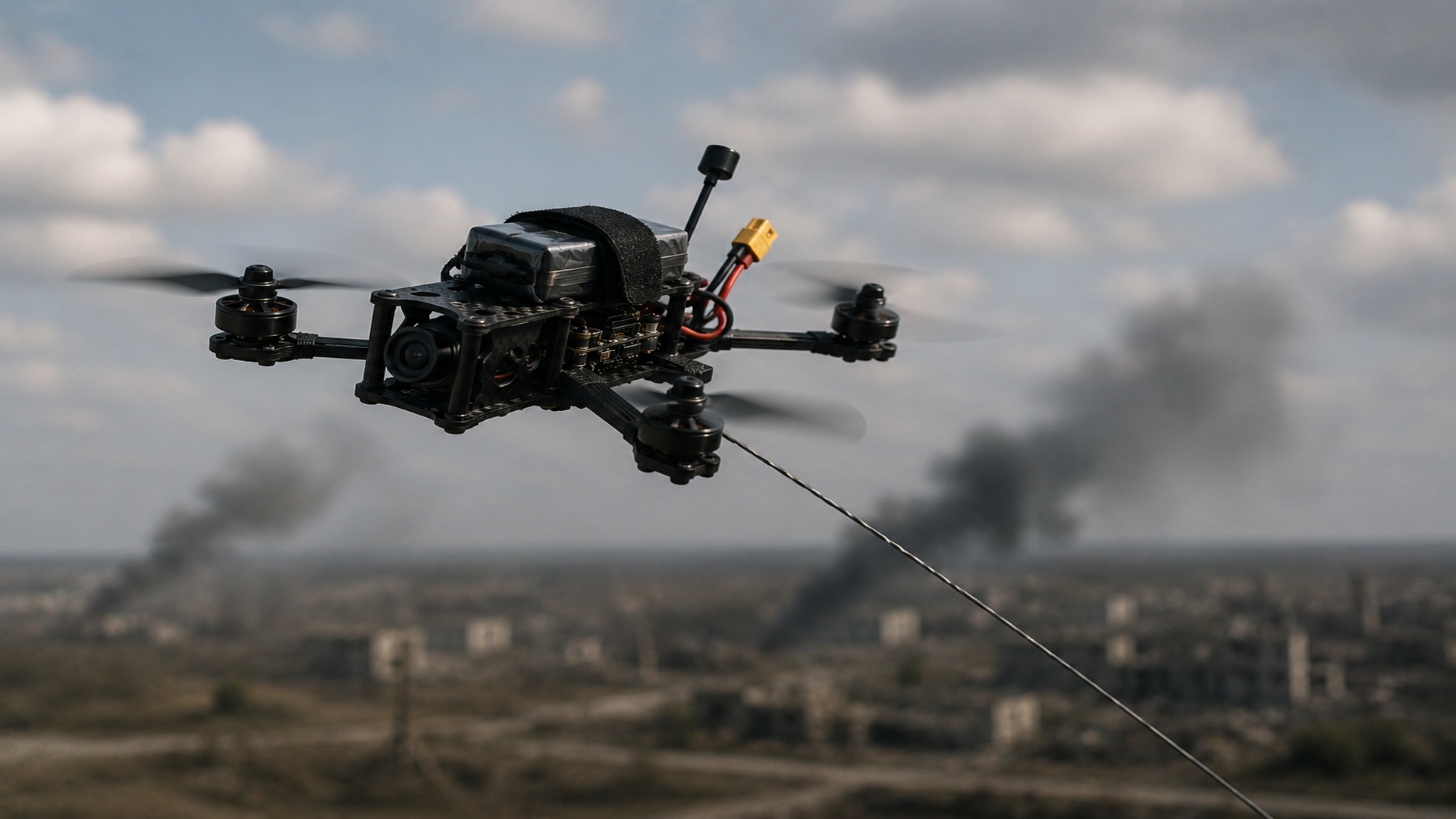
Drones as Munitions Will Eventually Cancel Each Other Out. Hybrid Air Attack Is the New Game.
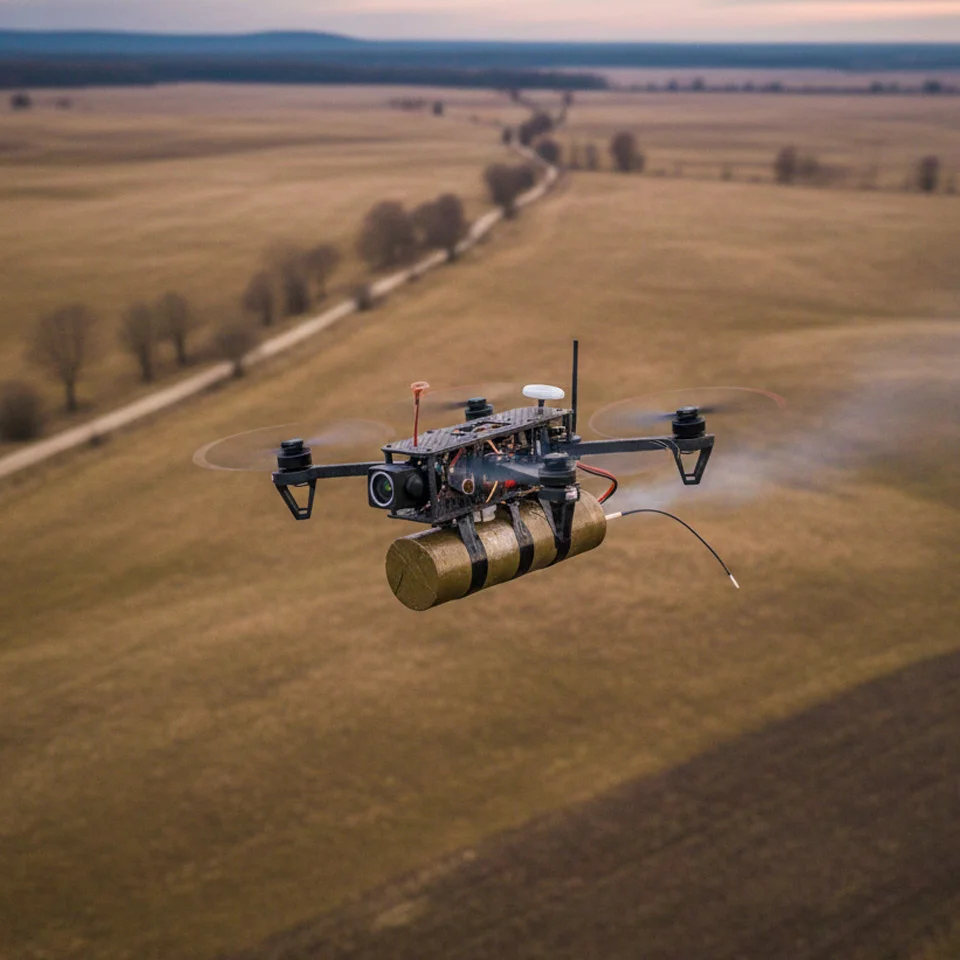
The Pentagon’s decision to reclassify small drones as expendables marks a turning point in unmanned warfare. Treating drones like munitions makes tactical sense, they’re fast, cheap, and effective at small-unit disruption.
But strategically, we’re entering a phase of drone saturation. In high-volume environments, attritable systems tend to neutralize themselves just like artillery eventually does.
This is where Hybrid Air Attack becomes decisive.
Drones cannot hold airspace. They are not designed for sustained dominance, contested maneuvering, or maintaining the kill chain beyond the tactical edge.
Drones are vulnerable to jamming and Electronic Warfare tools that can disrupt or spoof their signals. These tools are becoming more precise and portable.
But what they can do when paired correctly, is to extend the effectiveness of a manned asset by acting as scouts, decoys, sensors, or expendable finishers.
That’s why Hybrid Air Attack is emerging as the dominant model:
Manned aircraft for control, survivability, and deep strike.
Unmanned systems for support, disruption, and tactical saturation.
And for nations with limited fleets and smaller militaries. The Hybrid doctrine offers a smart, affordable path to relevant airpower without billion dollar programs.